Master the Art of Bottle Label Printing for Better Sales
Abbie on 10 February, 2026 | Comments Off on Master the Art of Bottle Label Printing for Better Sales
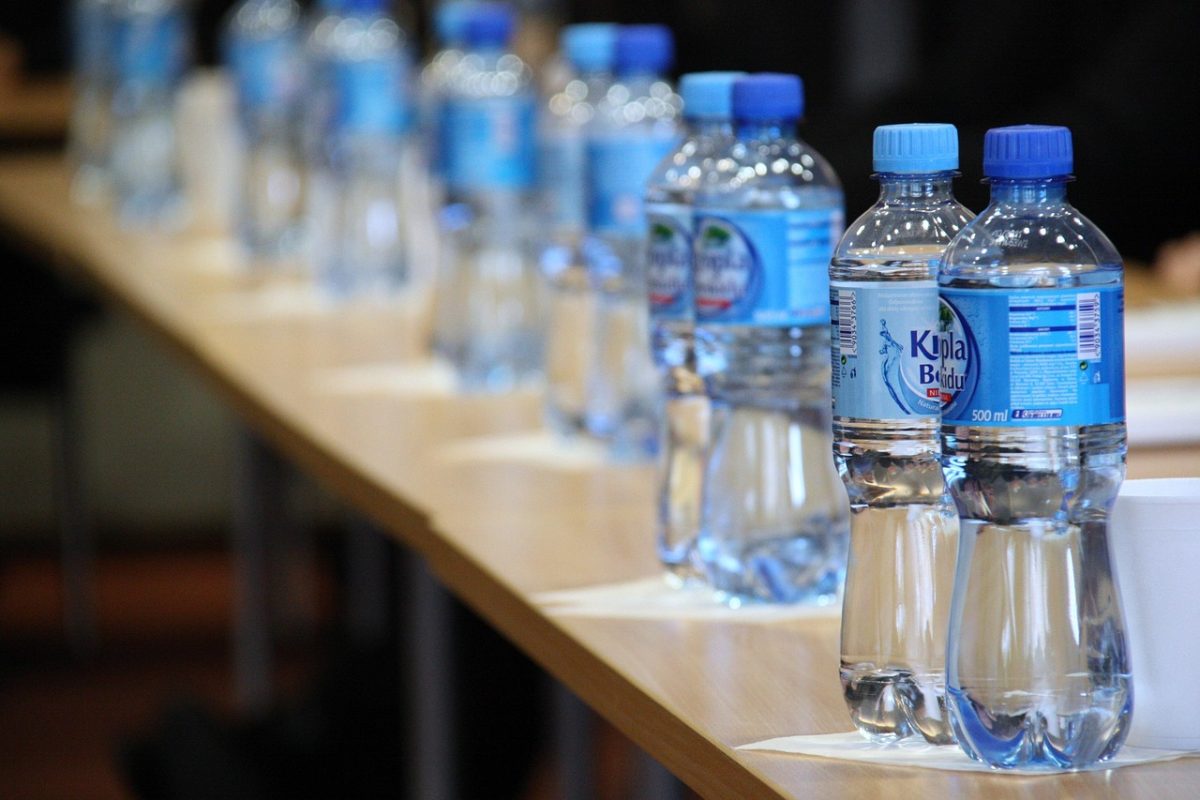
Competition on retail shelves is fierce. A customer often spends less than ten seconds scanning a product category before making a decision. During those few critical moments, your bottle label acts as your most valuable salesperson. It must communicate your brand story, verify the quality of the contents, and convince the shopper to pick up your product over a competitor’s. If the label fails to capture attention or peels off due to poor material choices, you lose that sale.
This guide provides practical steps to improve your bottle label strategy. You will learn how design choices influence buyer behaviour, which materials withstand different environments, and how printing techniques can add value to your final product. Understanding these elements allows you to create packaging that looks exceptional and performs reliably in the real world.
The Impact of Design on Consumer Choice
Visual appeal is a key driver of consumer interest in retail. Good design communicates a product’s essence before a customer reads a word. For example, minimalist designs with white space suggest luxury, while bold colours and dynamic typography convey energy and fun. Understanding your target demographic is essential to choosing a style that resonates.
Professional bottle label printing helps brands create eye-catching, durable labels that enhance product presentation and stand out on the shelf.
Colour psychology also plays a major role—research shows up to 90% of snap judgments about products are based on colour. Green suggests natural ingredients, while black implies sophistication. Fonts matter too. They should be legible and align with your brand voice, like a script font for a heritage wine or a sans-serif for a modern craft beer. Every design element should work together to tell a cohesive story.
Selecting the Right Materials for Bottle Labels
The material you print on is just as important as the ink. The environment your bottle will be in determines the best choice. For white wine or craft beer, which often end up in fridges or ice buckets, standard paper labels won’t hold up—they can disintegrate or slide off in damp conditions. Instead, use materials with wet strength or a moisture-resistant synthetic film like polypropylene.
Texture also plays a role in enhancing user experience. Textured papers add a rustic, vintage feel ideal for wines and spirits, while glossy films provide a sleek, modern look for health drinks or cosmetics. Sustainability is another key factor as consumers increasingly prefer recycled papers or biodegradable films. Choosing the right material means balancing aesthetics with functionality.
Printing Considerations for High-Quality Results
Achieving a professional finish starts with choosing the right printing method. Digital printing is ideal for shorter runs or designs with variable data, like numbered bottles or personalized names. It delivers high resolution and vibrant colours without the setup costs of traditional plates. For larger volumes, flexographic printing is more cost-effective and supports a wider range of inks and materials.
Special finishes can transform a standard label into a premium one. Hot foil stamping adds metallic shine to details like logos or brand names. Embossing or debossing creates texture, encouraging customers to interact with the product. Spot UV varnish highlights specific areas with a glossy finish against a matte background. These techniques enhance perceived value and help your product stand out on a crowded shelf.
The Future of Bottle Label Trends
The packaging industry is evolving rapidly, and staying ahead of trends is crucial. Smart labels, featuring QR codes and NFC tags, are bridging the gap between physical and digital by giving consumers instant access to product details, traceability, or promotions via smartphones. This technology boosts transparency and engagement without cluttering designs.
Sustainability continues to drive innovation, with wash-off adhesives improving glass recycling and thinner label materials reducing waste and shipping weight. Minimalist designs remain popular, focusing on clear, honest communication to meet consumer demand for authenticity and transparency.
Elevating Your Brand Through Great Labels
Your bottle label is the final touchpoint between your brand and the consumer before purchase. It reflects your brand identity and promises the quality of your product. By focusing on strategic design, durable materials, and professional printing finishes, you create packaging that stands out.
Review your current packaging—does it reflect your product’s quality and appeal to your audience? If not, use these principles to refine it. A strong label doesn’t just identify a bottle; it sells it.