A Practical Guide to Choosing and Installing Limestone Tiles
Abbie on 10 February, 2026 | Comments Off on A Practical Guide to Choosing and Installing Limestone Tiles
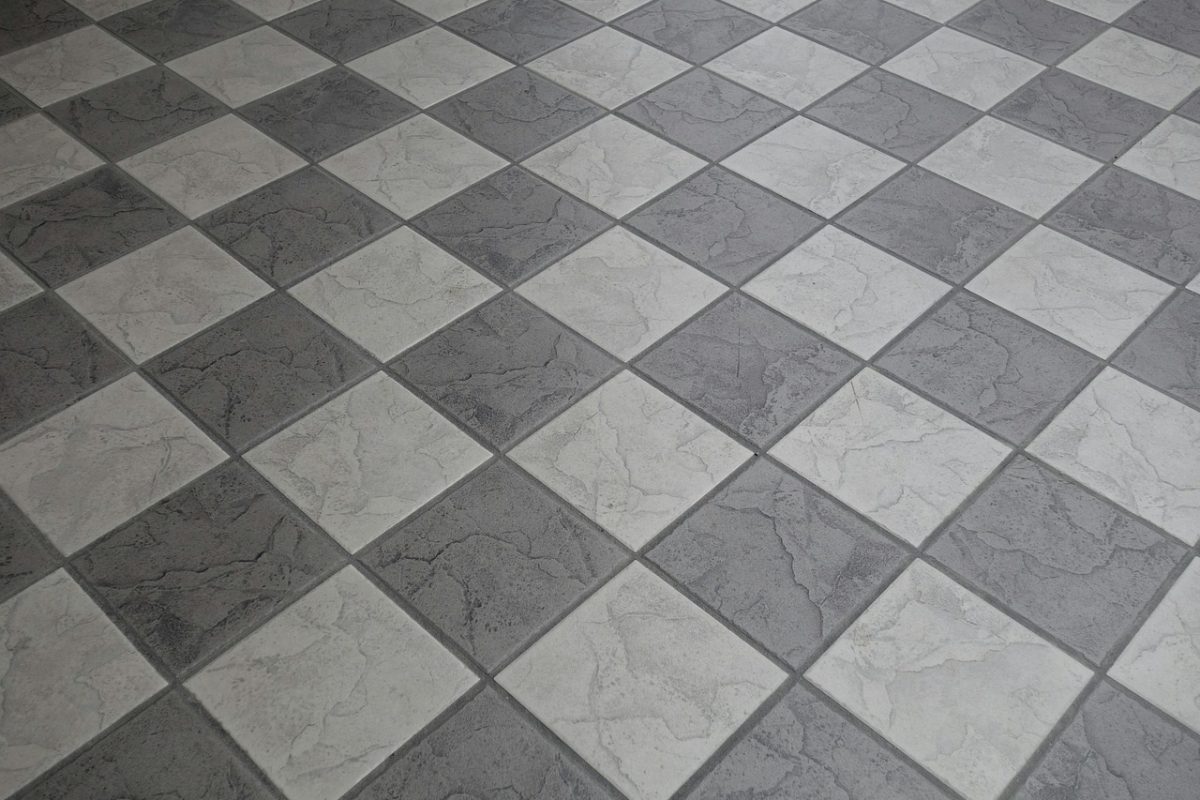
Limestone tiles have graced the floors of grand cathedrals and country cottages for centuries, yet they remain a highly sought-after material in contemporary interior design. This natural sedimentary rock, formed over millions of years from the accumulation of marine organisms and calcium carbonate, brings an organic warmth to any space. Its rising popularity in modern homes stems from its ability to blend seamlessly with both minimalist and traditional aesthetics, offering a connection to the natural environment that synthetic materials struggle to replicate.
Why You Should Consider Limestone for Your Home
The primary appeal of limestone lies in its exceptional durability. While it is softer than granite, quality limestone is incredibly hard-wearing and capable of withstanding the heavy foot traffic of a busy family home. With the correct care, a limestone floor can last for decades, often looking better as it ages and acquires a lived-in patina.
Beyond its longevity, the aesthetic appeal of limestone is significant. No two tiles are exactly alike. The stone features subtle variations in tone, fossilization, and veining, which creates a floor with depth and character. This natural variation adds texture to a room without overwhelming the design scheme. Furthermore, limestone is highly versatile. It is suitable for kitchen flooring, bathroom walls, and even outdoor patios, allowing you to create a continuous flow from the interior to the exterior of your property.
Understanding the Different Finishes
When choosing limestone, you’ll find three main finishes, each with a unique look and feel. A honed finish offers a smooth, matte surface that feels sleek and contemporary. Achieved by grinding the stone flat, it provides some slip resistance and is easy to maintain in high-traffic areas.
Tumbled limestone is ideal for a rustic, aged look. The tiles are tumbled in a drum with water and aggregates to soften edges and create a textured, worn surface, perfect for period properties or farmhouse-style kitchens.
Polished limestone features a high-gloss, reflective finish that enhances the stone’s natural colors and fossil details. However, it can be slippery when wet, making it better suited for walls or low-traffic areas like decorative spaces.
Installation Best Practices
To install natural stone correctly, precision is key. The most critical step is preparing the surface. Your subfloor must be clean, dry, and level to prevent tiles from cracking under pressure. It’s also a good idea to install a decoupling membrane to absorb any movement from the subfloor.
For cutting limestone, a wet saw with a diamond blade will give you clean edges without chipping the stone. After laying the tiles, sealing is essential. Because limestone is porous, it absorbs liquids if left unprotected. You should apply a high-quality impregnating sealer before grouting to prevent staining, and then again after the grout has cured to create a protective barrier against spills.
Care and Maintenance
Maintaining limestone is straightforward if you follow the right routine. You should clean the floor regularly using a pH-neutral cleaner specifically formulated for natural stone. It is vital to avoid standard household detergents, bleach, or acidic solutions like vinegar and lemon juice, as these will etch the surface of the stone and dull the finish.
Preventing stains is easier than removing them. Wipe up spills immediately, especially acidic substances like wine or fruit juice. Over time, the sealer will wear down, so you will need to reseal the floor every few years to maintain its resistance to moisture. If the stone does suffer damage, such as deep scratches or chips, professional restoration services can often grind and repolish the surface to restore its original condition.
Evaluating the Cost
Limestone is an investment material. Initial costs vary significantly depending on the quality of the stone, the origin, and the finish. Generally, it sits at a mid-to-high price point, often costing more than ceramic or porcelain but less than premium marbles.
However, it is helpful to view this cost through the lens of long-term value. Unlike synthetic trends that may date quickly, limestone is timeless. Its durability means you are unlikely to need to replace the flooring for many years, and natural stone often adds resale value to a property. For many homeowners, the initial expense is justified by the enduring beauty and permanence the material provides.
Final Thoughts
Limestone tiles offer a balance of practicality and elegance that is hard to match. They provide a durable surface that withstands daily life while adding a sophisticated, natural element to your home. Whether you prefer the rustic charm of tumbled stone or the sleek look of honed tiles, limestone remains a superior choice for creating inviting and resilient living spaces.