Designing A Custom Bathroom That Truly Fits Your Lifestyle
Abbie on 17 February, 2026 | Comments Off on Designing A Custom Bathroom That Truly Fits Your Lifestyle
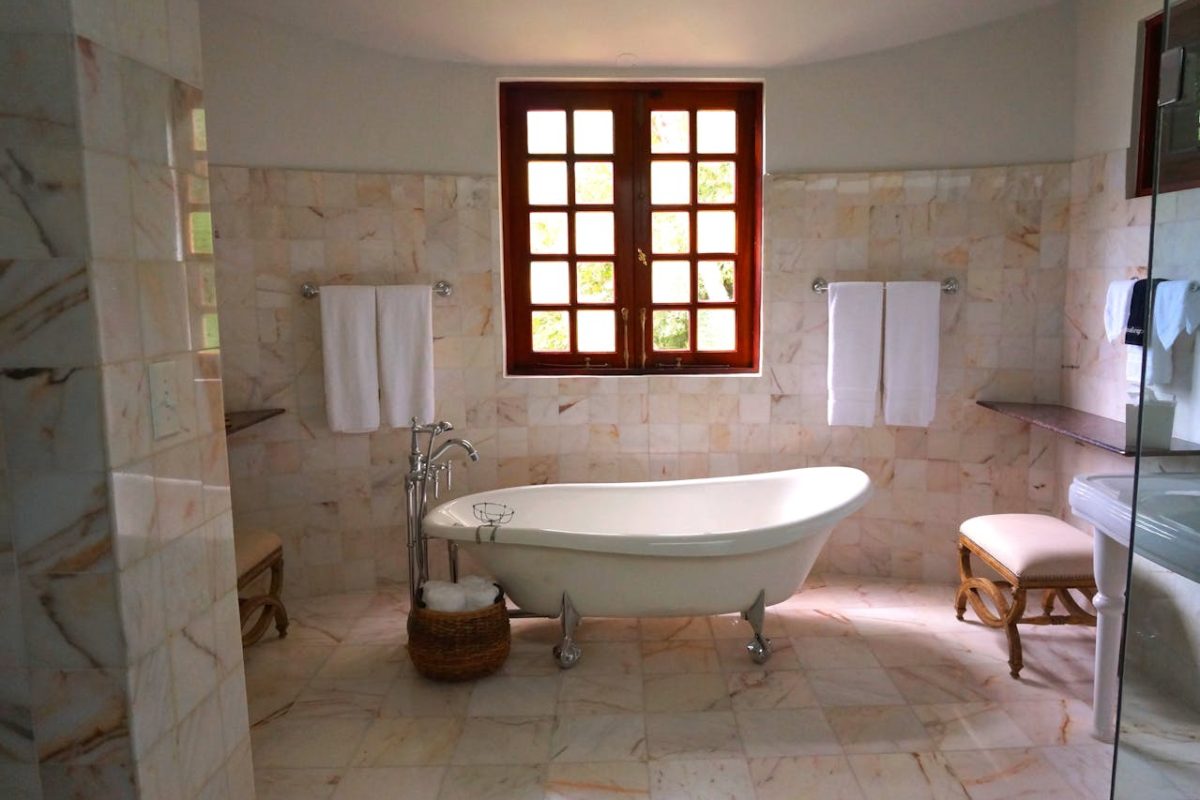
Your bathroom is likely the first room you visit in the morning and the last one you see before bed. It serves a functional purpose, yet it also acts as a private retreat where you prepare for the day or unwind after a long shift. Despite this importance, many homeowners settle for standard suites that do not quite fit their specific needs or spatial constraints. Opting for a custom approach allows you to dictate every element of the design, resulting in a space that serves your lifestyle rather than forcing you to adapt to a pre-set layout. This guide explores the fundamental steps to achieving high-quality bespoke bathrooms renovation that balances aesthetics with everyday practicality.
Creating Your Dream Custom Bathroom Space
The foundation of a successful bathroom project is understanding how you use the space. A family bathroom has different needs than an en-suite. Consider who uses the room most and their requirements. For example, a busy family might benefit from double basins to ease morning traffic, while a guest bathroom might prioritise a large shower over a tub.
Visualising the end result is about more than just colours; it’s about the flow of the room. Think about where you need storage most and whether you prefer concealed cabinets for a minimalist look or open shelving for easy access. A custom design allows you to configure these elements to suit your daily routine. By setting these functional priorities early, you establish a clear brief that will guide every subsequent decision.
Choosing Right Materials for Longevity and Style
When selecting bathroom materials, consider more than just their appearance. The humid environment demands surfaces that can resist moisture, heat, and frequent cleaning. While natural stone offers a luxurious finish, it requires regular sealing. Porcelain tiles are a more practical alternative, providing durability and water resistance while mimicking the look of stone or wood.
Brassware and hardware finishes also affect the design’s longevity. Chrome is a timeless choice that’s easy to clean, while brushed brass or matte black can add a contemporary touch. Whatever you choose, aim for consistency. High-quality taps and accessories should feel substantial and operate smoothly. Investing in superior materials now will prevent premature replacements and maintain the room’s premium feel for years.
Maximising Small Bathroom Layouts with Smart Design
Limited square footage does not mean you must compromise on luxury or function. A custom approach is particularly valuable in smaller bathrooms where every inch counts. Wall-hung vanities and toilets are excellent solutions for creating an illusion of more space. By keeping the floor visible, the room feels larger and cleaning becomes significantly easier.
You can also employ clever storage solutions to keep clutter at bay. Recessed shelving in the shower area or mirrored cabinets recessed into the wall provide essential storage without encroaching on the room’s footprint. Large-format tiles can also trick the eye by reducing grout lines, creating a seamless look that expands the visual perception of the space. Glass shower screens further enhance this effect by allowing light to travel uninterrupted through the room.
Lighting and Ventilation Strategies for a Premium Finish
Lighting is often overlooked in bathroom design, but it plays a key role in setting the mood and functionality. A single overhead light isn’t enough—layered lighting works best. Pair task lighting around the mirror for grooming with ambient lighting for a softer mood during baths. Dimmable lights offer flexibility, switching between bright functionality and a relaxing glow.
Ventilation is just as important but often ignored. Poor airflow can cause damp, mould, and damage, ruining even high-end renovations. A reliable extraction system is essential. Modern extractor fans are powerful, quiet, and can be concealed in the ceiling. While windows are helpful, mechanical ventilation is key to removing moisture effectively after showers.
Final Considerations for a High-End Bathroom Renovation
Before work begins, you must have a realistic budget that includes a contingency fund. Renovation projects often uncover hidden issues, such as plumbing that needs updating or structural repairs behind existing tiles. A buffer of around 10% protects your project from stalling due to unforeseen costs.
The timeline is another crucial factor. Quality workmanship takes time, and rushing the process can lead to mistakes that compromise the finish. Engaging experienced professionals who understand the intricacies of custom bathrooms is essential. Their expertise helps you avoid common pitfalls and guarantees that the installation matches the quality of the materials you have chosen. With careful planning and the right team, your new bathroom will be a lasting asset to your home.