Everything You Need to Know About Electric Washing Machines
Abbie on 04 February, 2026 | Comments Off on Everything You Need to Know About Electric Washing Machines
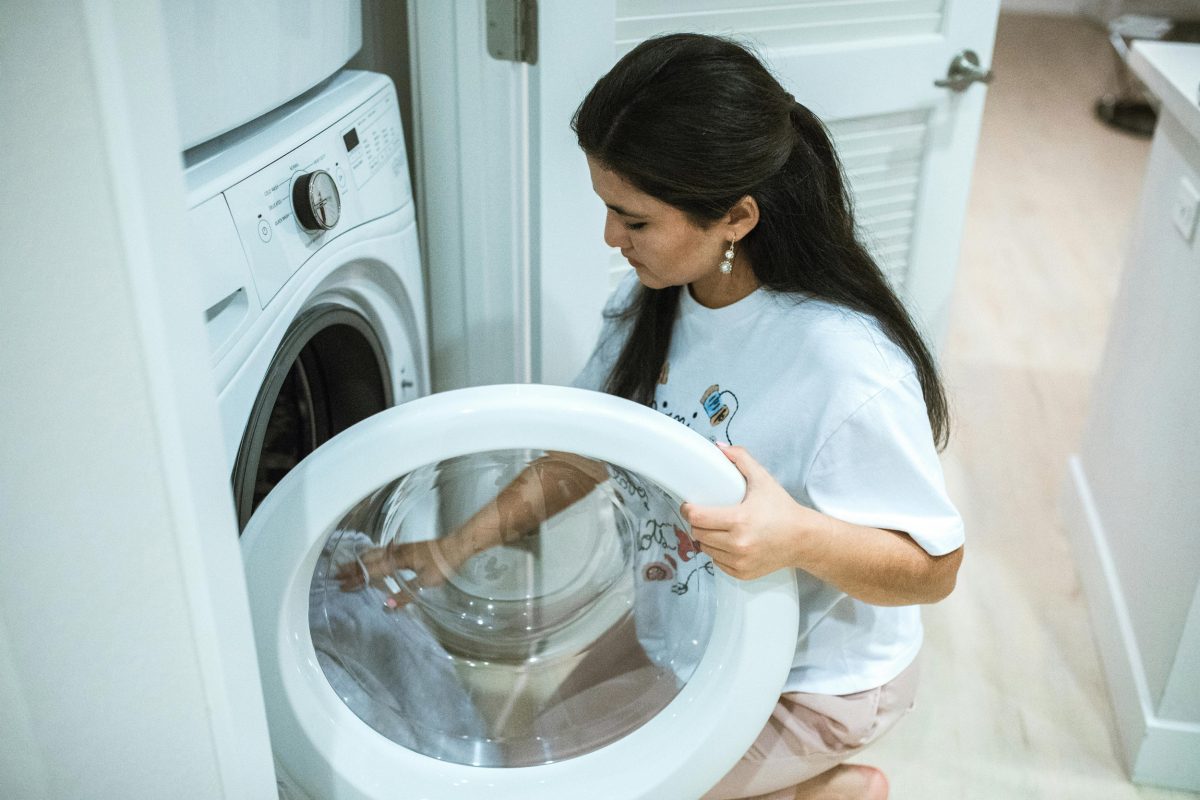
The humble washing machine is arguably one of the most significant inventions of the last century. Before electric motors automated the process, laundry day was a back-breaking, time-consuming chore involving scrub boards, boiling water, and manual wringers. Today, electric washing machines have transformed this arduous task into a simple button press, freeing up hours of time every week.
Modern households rely heavily on these appliances not just for convenience, but for their efficiency. As technology has advanced, washing machines have become smarter, using less water and electricity while delivering superior cleaning results. Understanding the different types and features available can help you select the right model for your home.
Types of Electric Washing Machines
When shopping for a new appliance, the first decision usually comes down to the loading mechanism. The two primary categories offer distinct benefits depending on your space and habits.
Top-Load Washers
Top-load washers are the traditional choice for many homes. As the name suggests, you load laundry through a lid on top of the machine. These models often appeal to users because they don’t require bending down to load and unload clothes. Furthermore, you can easily add a forgotten sock mid-cycle, a feature often locked out in front-loaders.
Generally, top-loaders have a lower upfront cost compared to their front-loading counterparts. However, they typically use more water and may be harsher on fabrics due to the central agitator found in older or budget models. High-efficiency top-loaders without agitators are available, bridging the gap in performance.
Front-Load Washers
Front-load washers have gained immense popularity for their efficiency. These machines tumble clothes through a small amount of water rather than submerging them completely. This mechanical action is excellent for removing stains and uses significantly less water and energy.
While the initial purchase price is often higher, the long-term savings on utility bills can make it a smarter investment. They also spin at higher speeds, extracting more water so your clothes spend less time in the dryer. However, they require more maintenance to prevent mould growth around the door seal and can be difficult to load for those with back issues without a pedestal.
Key Features to Consider
Beyond the loading style, several specifications determine how well a machine fits your lifestyle.
Capacity
Capacity is measured in kilograms and dictates how much laundry you can wash in a single load. A 6-7kg machine suits a couple or a small family, while larger households with heavy bedding needs might require a 9kg or 10kg drum. Choosing the correct size prevents overloading, which strains the motor, or underloading, which wastes energy.
Energy Efficiency
Energy-efficient models are essential for reducing household running costs. Look for the energy rating label; machines rated A or B might cost more initially but consume less electricity per cycle. Over the lifespan of the appliance, these savings accumulate significantly.
Wash Cycles
Modern machines offer specific cycles for everything from delicates and wool to heavy-duty sportswear. A ‘quick wash’ setting is invaluable for lightly soiled items when you are in a rush. Having a variety of cycles allows you to tailor the wash to the specific fabric, preventing damage and improving cleanliness.
Spin Speed
Spin speed, measured in revolutions per minute (RPM), determines how dry the clothes are when the cycle finishes. A higher spin speed (1200-1400 RPM) extracts more moisture, reducing drying time on the line or in a tumble dryer. However, higher speeds can increase creasing, so a variable spin speed feature is useful.
Finding the Right Fit for Your Home
Electric washing machines are indispensable tools that offer convenience, efficiency, and better care for your clothing. Whether you opt for the ergonomic design of a top-loader or the energy-saving prowess of a front-loader, the right machine changes laundry from a chore into a manageable background task. By considering factors like capacity and spin speed, you can find a model that perfectly suits your household needs.