How to Plan the Perfect Egypt Tour Experience
Abbie on 17 February, 2026 | Comments Off on How to Plan the Perfect Egypt Tour Experience
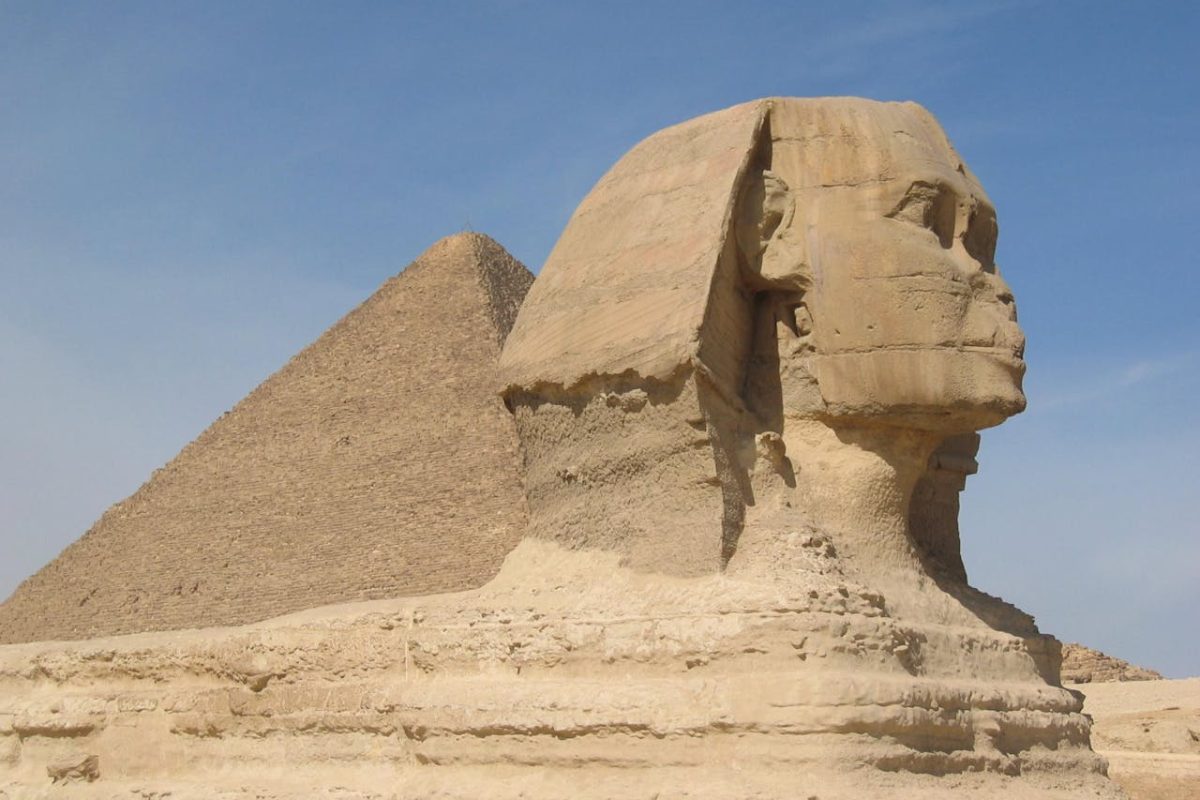
Egypt remains one of the most enduring travel destinations on the planet. The sheer scale of its history attracts millions of visitors annually, yet organizing a trip to North Africa often raises questions about logistics and safety. This guide examines the essential historical sites you must see and offers practical advice on selecting the right itinerary for your needs. You will gain a clear understanding of what to expect from organised Egypt tours and how to prepare for the local culture.
Historical Significance of Egyptian Landmarks
The Giza Plateau showcases the engineering brilliance of the ancient world. The Great Pyramid of Khufu, the only surviving wonder of the ancient world, dominates Cairo’s skyline. Standing at the base of these limestone giants, visitors are often awestruck by their immense scale. These pyramids served as grand tombs, facilitating the pharaoh’s journey to the afterlife. Nearby, the Great Sphinx, with the body of a lion and the head of a human, has guarded the plateau for millennia, adding to its mystery.
Further south in Luxor, the Valley of the Kings offers a contrasting take on royal burials. Unlike the towering pyramids of the Old Kingdom, these New Kingdom tombs were hidden in the Theban hills to deter grave robbers. The intricate hieroglyphs and vivid wall paintings provide critical insights into ancient beliefs and societal hierarchy. Exploring these tombs reveals well-preserved art, shielded from the sun for thousands of years, turning a visit into a profound lesson on human civilisation.
Choosing the Right Tour for Your Itinerary
Choosing a travel package requires balancing the energy of urban centers with the serenity of the Nile. Cairo, with its world-class museums and access to Giza, offers much to explore, though its noise and traffic can be overwhelming. Most itineraries include a few days in the capital to visit the Egyptian Museum or the new Grand Egyptian Museum before heading south. A Nile cruise between Luxor and Aswan provides a seamless way to visit temples like Kom Ombo and Edfu without the hassle of constant packing.
Balancing museum visits with outdoor excursions helps avoid temple fatigue. Organized tours offer an advantage by managing logistics and securing entry to archaeological sites, saving time and effort. Licensed guides not only streamline the experience but also translate the stories carved into temple walls, turning ancient ruins into a vivid narrative of past civilizations. Their expertise transforms history into a richer, more engaging journey.
Practical Travel Tips for First-Time Visitors
Success in North Africa requires preparation for the environment and culture. Egypt’s heat, especially from May to September, can be intense, so plan visits early in the morning to avoid the midday sun. Staying hydrated and using sun protection is crucial. Cultural etiquette is also important; dress modestly, especially at religious sites or markets, by covering shoulders and knees to show respect for local traditions.
Understanding the local currency, the Egyptian Pound, is essential for small purchases where credit cards are rarely accepted. Tipping, or “baksheesh,” is common for most services, so carrying small cash denominations helps. Transportation can be challenging due to chaotic traffic, making pre-arranged transfers with tour packages a convenient option. Awareness of these details ensures a smoother, more enjoyable trip.
Preparing for Your Egyptian Journey
Egypt offers an experience that is difficult to replicate elsewhere. The combination of ancient history and vibrant modern culture creates lasting memories for those who visit. By choosing an itinerary that suits your pace and respecting local customs, you set the stage for a successful adventure. Researching your options now will save you considerable stress later.