Optimising Inventory Management With Smart Retail Storage
Abbie on 09 February, 2026 | Comments Off on Optimising Inventory Management With Smart Retail Storage
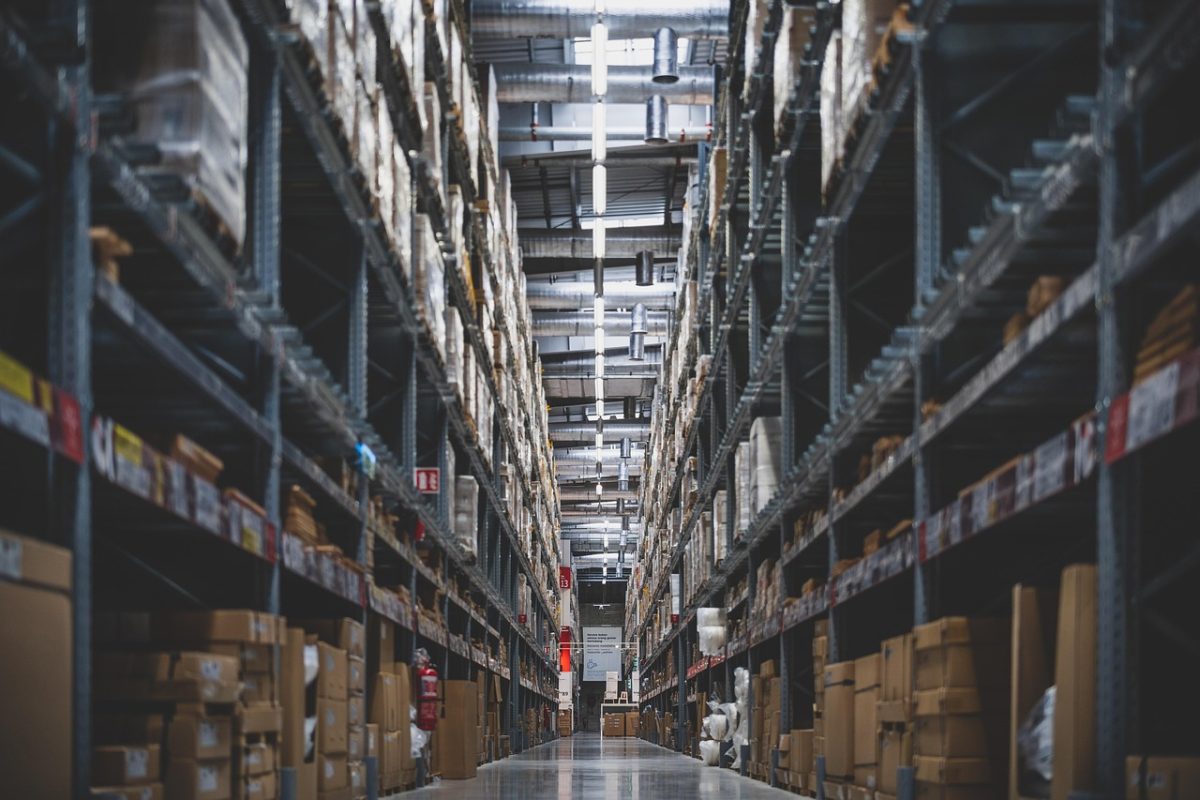
Effective inventory management often dictates the success or failure of an e-commerce business. While marketing drives sales and website design improves user experience, the physical handling of products happens behind the scenes. If your storage systems fail, your ability to fulfil orders accurately and quickly diminishes. As your business grows from a spare room operation to a larger enterprise, the methods you use to store products must adapt. Online retail storage is not simply about having space; it is about organizing that space to maximize efficiency and profitability.
Understanding Different Types of Retail Storage
Online retail storage varies based on your business size and product type. Growing businesses often use self-storage units or dedicated warehouses to maintain inventory control. In this setup, you rent space and handle shelving, organization, and staffing, allowing direct quality oversight but requiring significant time and effort.
Alternatively, many retailers partner with third-party logistics (3PL) providers, which store inventory in large-scale warehouses. Their industrial-grade racking systems and optimized layouts can be hard for small businesses to replicate. You pay for the space your products occupy, which can adjust with seasonal demand. Deciding between the control of private storage and the scalability of 3PL is key to optimizing your strategy.
Inside warehouses, storage methods differ. Pallet racking works for bulk or slow-moving items, while picking bins and flow racks are ideal for fast-moving products, speeding up packing. Combining these methods lets businesses handle bulk stock and daily orders efficiently in one facility.
Benefits of Effective Storage Solutions
Organized storage directly impacts your bottom line by improving pick-and-pack speed. When every SKU has a logical place, staff spend less time searching and more time fulfilling orders, leading to faster dispatch times—a key metric for customer satisfaction. A well-organized facility also reduces picking errors, which can incur return costs and harm your brand reputation.
Proper storage protects inventory, your capital on the shelf. Overcrowded, damp, or unstable conditions risk damaging goods before shipment. Professional solutions maximize vertical space and keep products off the floor, protecting them from damage, crushing, or breakage.
Accurate inventory visibility also depends on organization. Chaotic storage leads to inaccurate stock counts, causing missed sales or overselling. Proper storage supports regular cycle counts, keeping digital records aligned with physical stock levels.
Implementing the Right Storage Strategy
Developing a storage strategy starts with analyzing your product characteristics, including size, weight, and turnover rate. High-velocity items—those selling daily—should be stored in accessible locations, near packing stations at waist or eye level. This practice, known as slotting, reduces worker fatigue and travel time. Slower-moving items can be stored on higher shelves or in deeper areas.
Technology is key to modern storage strategies. Warehouse Management Systems (WMS) integrate with your online store to manage goods flow, suggesting storage locations based on sales data and dimensions. They also guide pickers through the most efficient routes. Investing in software that aligns with your physical storage ensures data-driven decision-making.
Scalability is vital. Your storage needs in July will differ from November. A rigid strategy that fills your warehouse leaves no room for seasonal spikes. Effective planning includes keeping some space open for new products or bulk orders during peak periods, preventing bottlenecks when volume increases.
Building a Foundation for Growth
Storage is the silent engine of your online retail business. While it may lack the glamour of a new marketing campaign, its impact on your operational efficiency is undeniable. By selecting the right type of facility, organizing it to protect goods and speed up fulfilment, and using data to place items logically, you create a system that supports growth. Your storage strategy should evolve alongside your sales volume. Taking the time to optimize your physical inventory management now will save countless hours and resources in the future, allowing you to focus on expanding your business rather than fighting fires in the warehouse.