The Sky Is Not the Limit with Drone Videography
Abbie on 10 February, 2026 | Comments Off on The Sky Is Not the Limit with Drone Videography
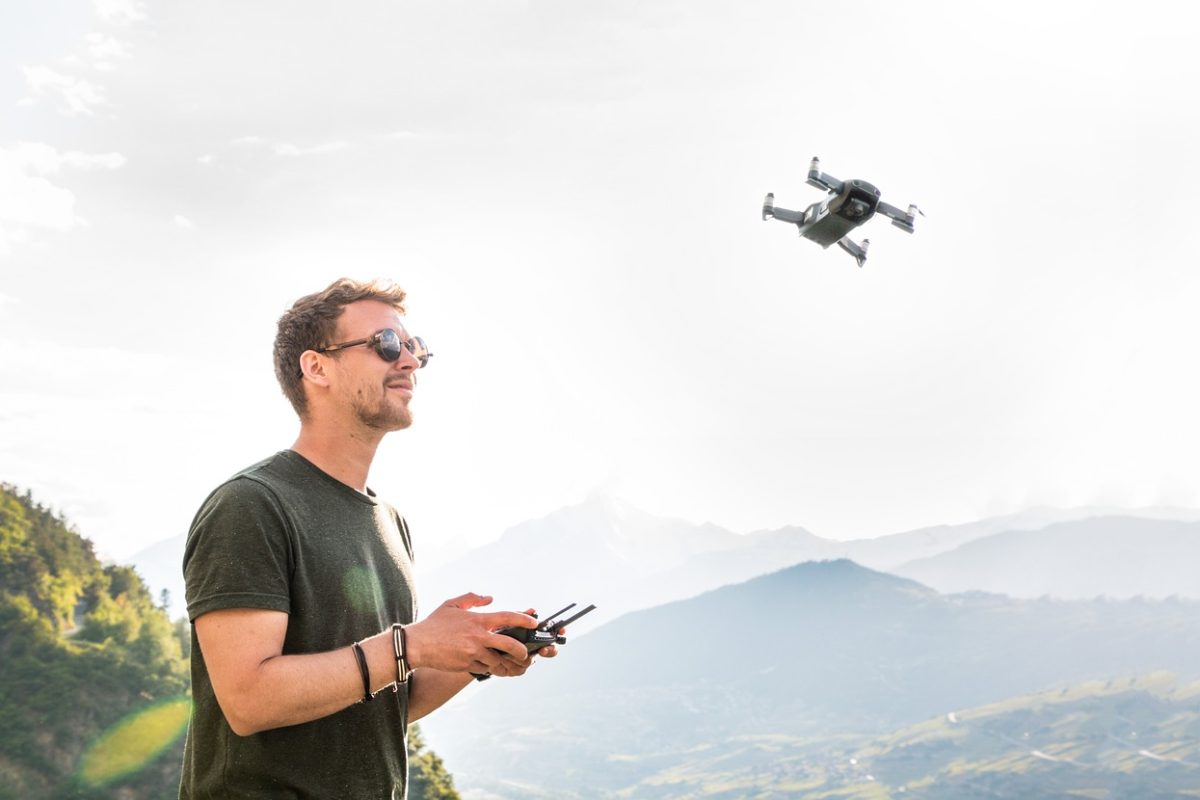
Aerial footage captivates audiences in a way few other mediums can. Until recently, capturing these sweeping overhead shots required a helicopter, a professional crew, and a budget that would make most independent creators weep. Today, compact and affordable drones allow filmmakers, marketers, and hobbyists to capture high-quality video from the sky. This shift has democratised filmmaking, placing cinema-quality tools into the hands of anyone willing to learn the craft.
If you are looking to add production value to your projects, aerial videography offers an immediate upgrade. However, capturing usable footage requires more than just launching a device into the air and hitting record. You need to understand the technical requirements, the artistic principles of movement, and the legal framework that keeps our skies safe.
Why You Should Incorporate Aerial Footage
The main advantage of using a drone is the shift in perspective. While ground-level cameras are limited by height and terrain, a drone can easily traverse water, climb mountains, and glide over forests. This capability allows you to establish a setting instantly, giving the viewer a sense of place and scale that ground shots cannot match.
This perspective is particularly valuable in certain industries. For property marketing, a drone can highlight the entire plot, the roof’s condition, and proximity to local amenities. Event organisers use aerial shots to show crowd size or a festival layout, offering tangible proof of attendance. Tourism boards use these sweeping visuals to showcase landscapes, inviting visitors to experience the destination’s grandeur.
Choosing the Right Equipment
Selecting the right equipment is your first step toward high-quality results. While you don’t need the most expensive model, your drone must have a 3-axis gimbal. This stabiliser keeps the camera steady, even in wind or at speed, which is critical for smooth, cinematic footage. A camera that shoots in 4K resolution is also standard, giving you the flexibility to crop footage in post-production without a significant loss in quality.
Beyond the drone, neutral density (ND) filters are essential. They act like sunglasses for your lens, reducing light and allowing for a lower shutter speed to create natural motion blur. Without them, footage shot on bright days can appear jittery. Finally, capable editing software is non-negotiable. You’ll need to colour grade your raw clips to bring out their vibrancy and contrast.
Techniques for Cinematic Excellence
Great drone videography relies on deliberate, controlled movement. A common beginner mistake is moving the drone too quickly or jerking the controls, which results in jarring footage. For a cinematic feel, fly slowly at a consistent speed. Many drones have a “Tripod Mode” or “Cine Mode” that reduces control sensitivity, helping you achieve these smooth, fluid motions.
Lighting and composition are just as important. Like with traditional photography, the “golden hour”—just after sunrise and before sunset—offers the most flattering light. Its long shadows and soft, warm hues add depth to landscapes that might appear flat at midday. When composing your shot, use the rule of thirds to place key subjects off-centre, or look for leading lines like roads and rivers to guide the viewer’s eye. A popular technique is the “reveal,” where you start with the camera obscured or facing down, then fly up or forward to unveil the scenery.
Understanding the Rules of the Air
Operating a drone comes with significant responsibility. Aviation authorities, such as the Civil Aviation Authority (CAA) in the UK, enforce strict rules to protect privacy and safety. You generally must keep your drone within your visual line of sight at all times and stay below a maximum altitude, typically 120 metres (400 feet).
Flying near airports or airfields is strictly prohibited and can result in severe legal penalties. You must also maintain a safe distance from people, crowds, and built-up areas. Ignorance of these laws is not a defence, so you must study the specific regulations in your region before your first flight. Most countries now require you to register your drone and pass a basic competency test to obtain a flyer ID.
Elevate Your Visual Storytelling
Drone videography is a skill that blends technical knowledge with artistic vision. By selecting the right equipment and practising smooth, deliberate flight manoeuvres, you can produce breathtaking content that stands out in a crowded digital landscape. Remember that the drone is just a tool; the story you tell with it is what matters. Start with the basics, respect safety protocols, and you will soon see the world from an entirely new perspective.